Câmara de Lobos is full of colourful fishing boats, steep hills dotted with houses, and a bay naturally protected from the Atlantic. Located just west of Funchal, this traditional fishing town moves at a slower pace, but holds a strong local identity and some of the island’s most recognisable views.
This guide explores what makes Câmara de Lobos, Portugal, so special, from its harbour and bay to its food culture, viewpoints, history, and nearby attractions.
Exploring Câmara de Lobos
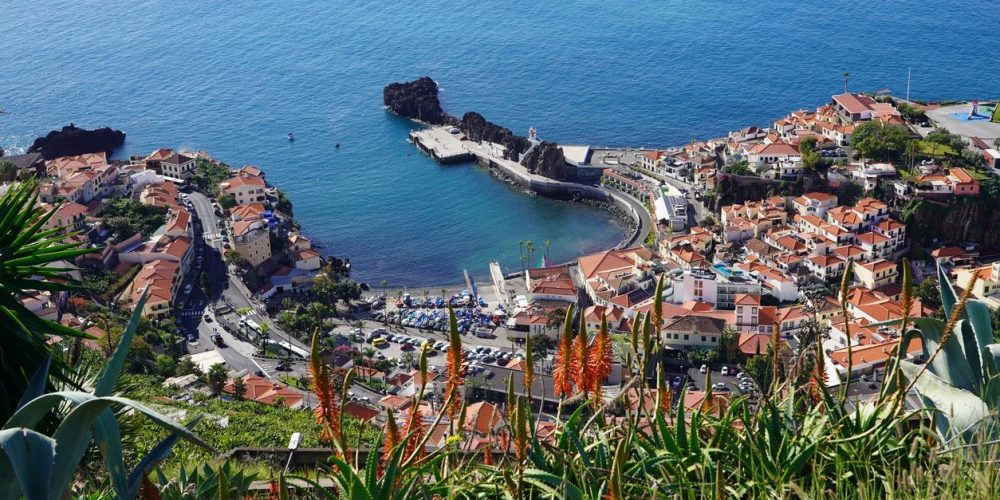
Câmara de Lobos harbour sits on Madeira’s south coast, around 8 kilometres from Funchal. It is part of the island’s metropolitan area while still maintaining a local feel. With a population of just over 35,000 across the municipality, it remains one of Madeira’s most important fishing centres and a place where everyday life has changed little over the decades.
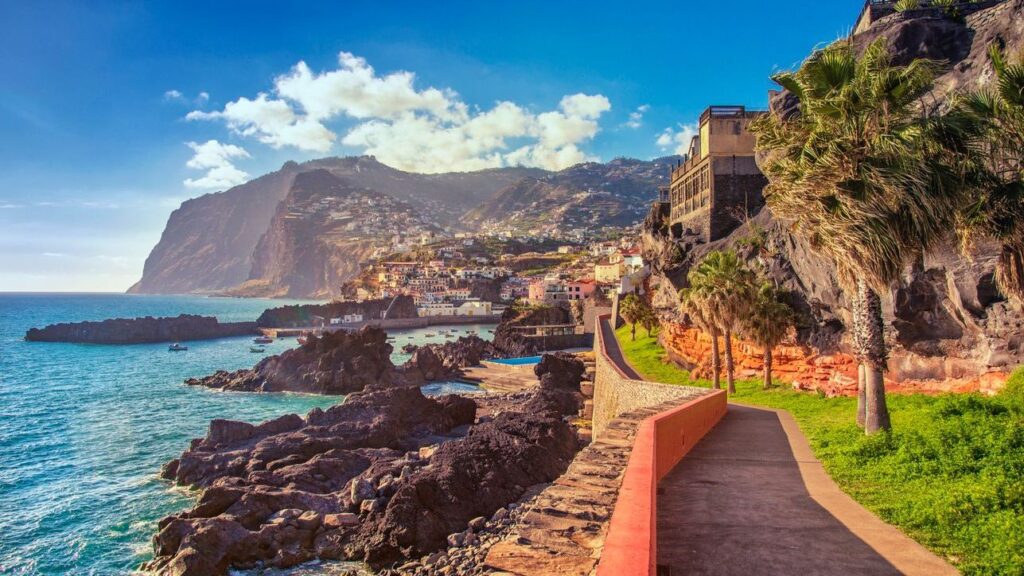
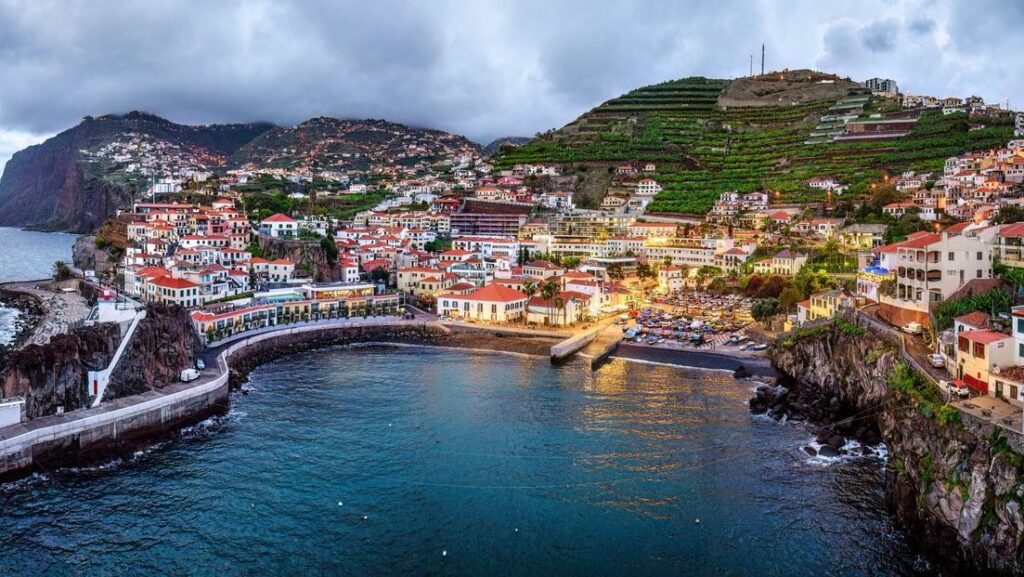
The town is built around a natural bay, with houses covering the steep hillsides. It resembles an amphitheatre layout, giving Câmara de Lobos its instantly recognisable look and makes it one of the most photographed spots on the island.
Many visitors come here for the harbour views, the relaxed waterfront, and the chance to experience Madeira beyond its resorts.
Harbour and bay
The heart of the town is Câmara de Lobos harbour, where traditional fishing boats, usually painted in bright reds, blues, and yellows, bob gently on the water. The harbour opens directly onto the baía de Câmara de Lobos, a sheltered bay that has protected local fishermen for centuries.
A walk along the waterfront promenade is the best way to start your visit. The route is flat, lined with cafés, small restaurants, and benches overlooking the sea. If you visit in the early morning hours, you can see local fishermen coming in from their fishing expeditions.
The bay is what made Câmara de Lobos internationally famous. Its curved shape, dramatic cliffs, and tightly packed houses attracted artists for many years. Winston Churchill even painted this bay during a visit to Madeira in 1950.
Must-do checklist
- Walk the full harbour promenade
- Photograph the traditional fishing boats
- View the bay from above
- Return near sunset for softer light
The local vibe and food scene
Câmara de Lobos is widely recognised as the birthplace of poncha, Madeira’s most iconic traditional drink. Made from sugar cane spirit, lemon juice, and honey, it is strong, sweet, and deeply tied to local culture. Small poncha bars around the harbour prepare it fresh, often in front of customers.
Fishing remains central to daily life, and this is reflected in the food. One of the most popular dishes associated with Câmara de Lobos is black scabbardfish (espada preta). Alongside seafood, expect simple Madeiran cooking focused on flavour rather than presentation, such as grilled fish, hearty stews, and local bread served with garlic butter. Meals are unhurried and social, mirroring the pace of life in the town.
What to try
- Black scabbardfish (espada preta)
- Grilled fresh fish with local sides
- Poncha (classic lemon version)
- Madeira wine with meals
Local tip: For a quieter experience, visit earlier in the day or mid-afternoon, then stay for golden hour when the harbour comes alive.
Viewpoints and photography spots
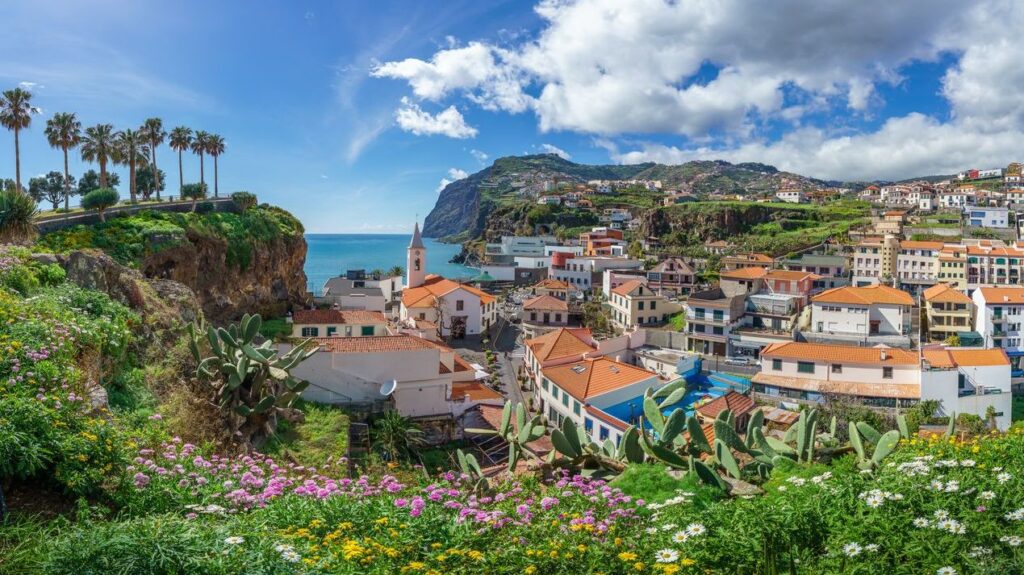
The area surrounding Câmara de Lobos is known for its dramatic viewpoints, with panoramic views of the coast, cliffs, and bay below.
One of the most famous is Cabo Girão, located just a short drive from the town. Rising around 580 metres above sea level, it is often described as one of the highest sea cliffs in Europe. Its glass skywalk allows visitors to look straight down to the ocean and terraced farmland beneath. This is a great location for hiking and enjoying the natural views.
Closer to town, the Pico da Torre viewpoint sits at approximately 205 metres above sea level and provides a clear overview of Câmara de Lobos harbour, the bay, and the surrounding coastline.
Photography checklist
- Harbour-level shots with boats and reflections
- Elevated views of the baía de Câmara de Lobos
- Coastal cliff perspectives
- Late afternoon or sunset lighting
Best times
- Morning for clearer light and fewer people
- Late afternoon for warmer tones
History and iconic landmarks in Câmara de Lobos, Portugal
Câmara de Lobos is closely tied to Madeira’s early settlement history. It is believed to be one of the first areas explored by Portuguese navigators in the early 15th century, shortly after the discovery of the island. The town’s name is traditionally linked to seals that lived in the bay.
Fishing has shaped the town for centuries, influencing its economy, traditions, and daily rhythms. Even today, small boats continue to operate from the harbour. A more recent historical highlight is Winston Churchill’s visit in 1950. His paintings of the bay helped bring international attention to Câmara de Lobos and reinforced its image as a place of natural beauty and calm.
Things to do near Câmara de Lobos
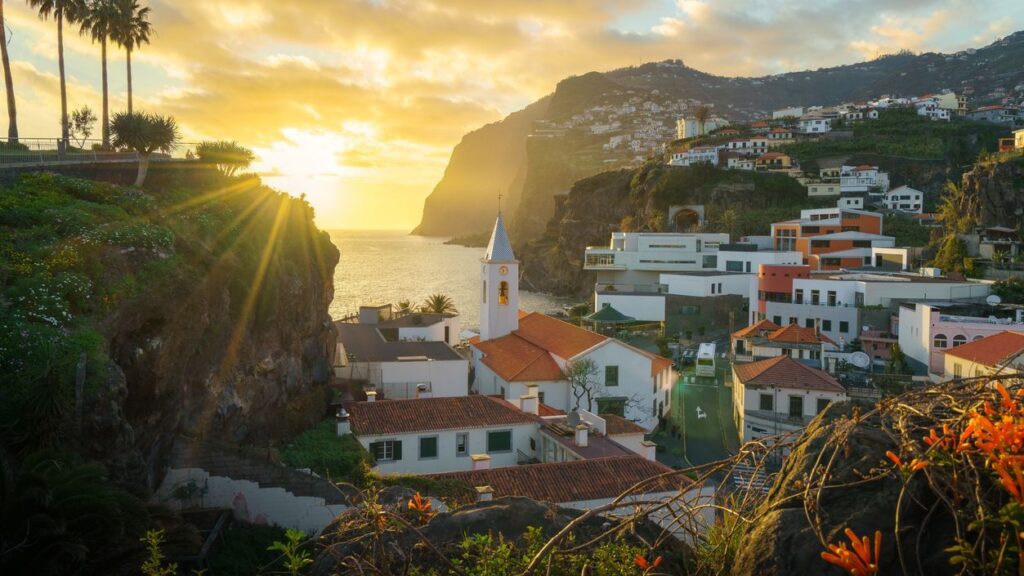
Câmara de Lobos is ideally located for exploring southern Madeira and, as a result, serves as an excellent starting point for visiting nearby attractions.
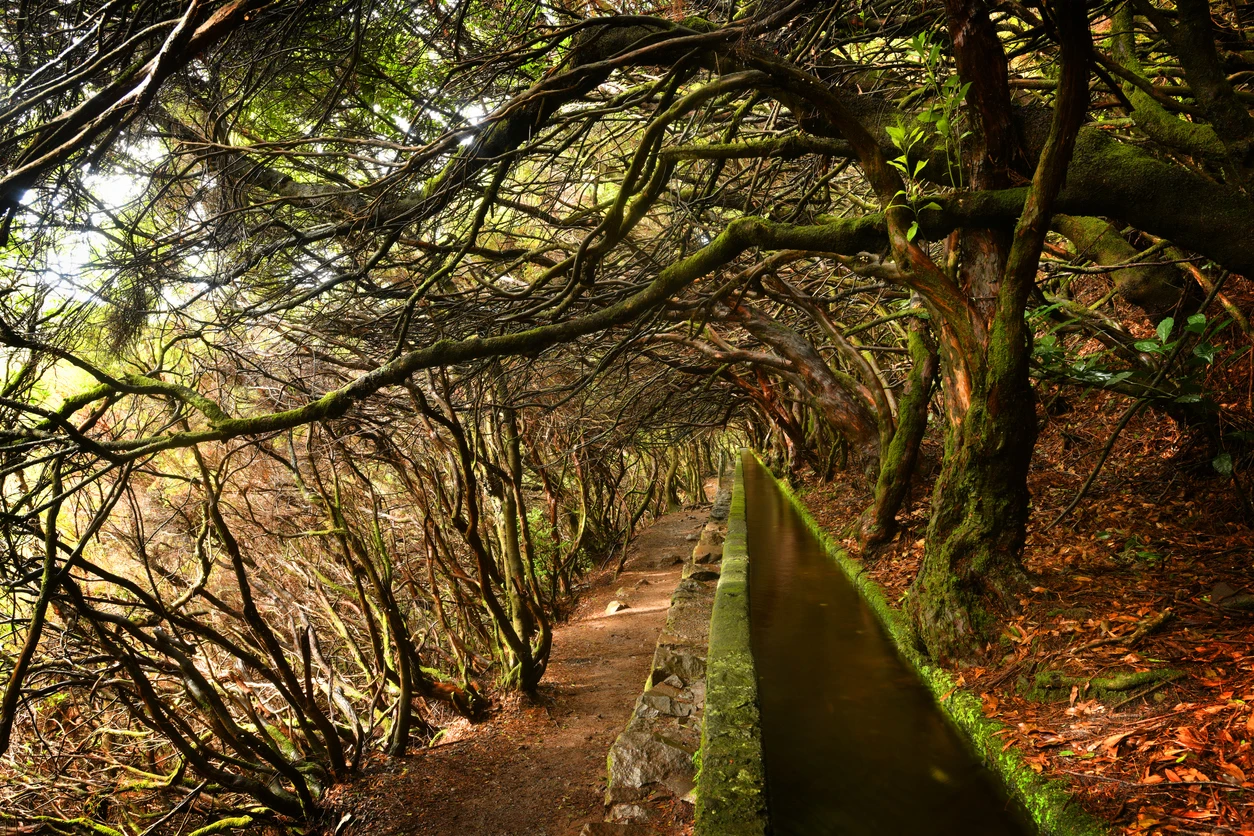
Just a short distance away, Cabo Girão stands out with its dramatic cliff and glass skywalk, while the city of Funchal offers a wider cultural experience with its markets, museums, and gardens. If you travel further west, Ribeira Brava is great for a more relaxed coastal visit that is easy to include in a half-day or full-day outing. The beach town of Caniço is another must-visit while in the area. In addition, nature lovers will find several levada walks within a short drive of Câmara de Lobos.
Why you need to visit Câmara de Lobos
Câmara de Lobos offers a side of Madeira that feels authentic and naturally beautiful. From the colourful bopats and homes to the views over the baía de Câmara de Lobos, you will expereince local traditions and life here.
If you are planning a stay in Câmara de Lobos, Portugal, choosing the right accommodation enhances the experience. Homie offers well-located, comfortable properties that allow you to explore Madeira at your own pace, close to local life and some of the island’s most iconic scenery.